What is Frequency?
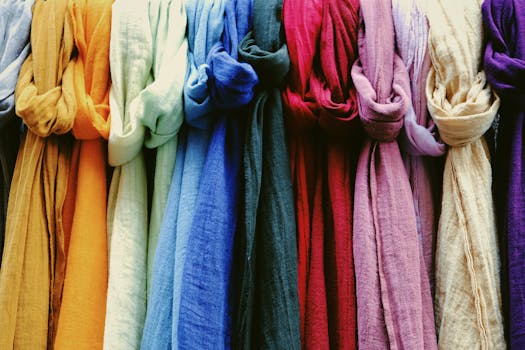
Everything in the universe has a vibrational frequency, which refers to how often something oscillates or repeats its motion over a specific period. In physics, frequency describes how often a wave - such as sound, light, or electromagnetic energy - repeats in one second, measured in Hertz (Hz). Vibrational frequency can be measured using specialized tools like vibrometers or spectrometers. This frequency can affect how objects or materials interact with their surroundings, including the human body. Natural materials like cotton and linen, for example, resonate at frequencies harmonious with the body, promoting relaxation and well-being, while synthetic materials have lower frequencies that can disrupt energy balance.
The human body's signature frequency is 100mHz. It can vary from 70 to 100. A frequency lower than 62 indicates a compromised immune system.
Super Fabrics
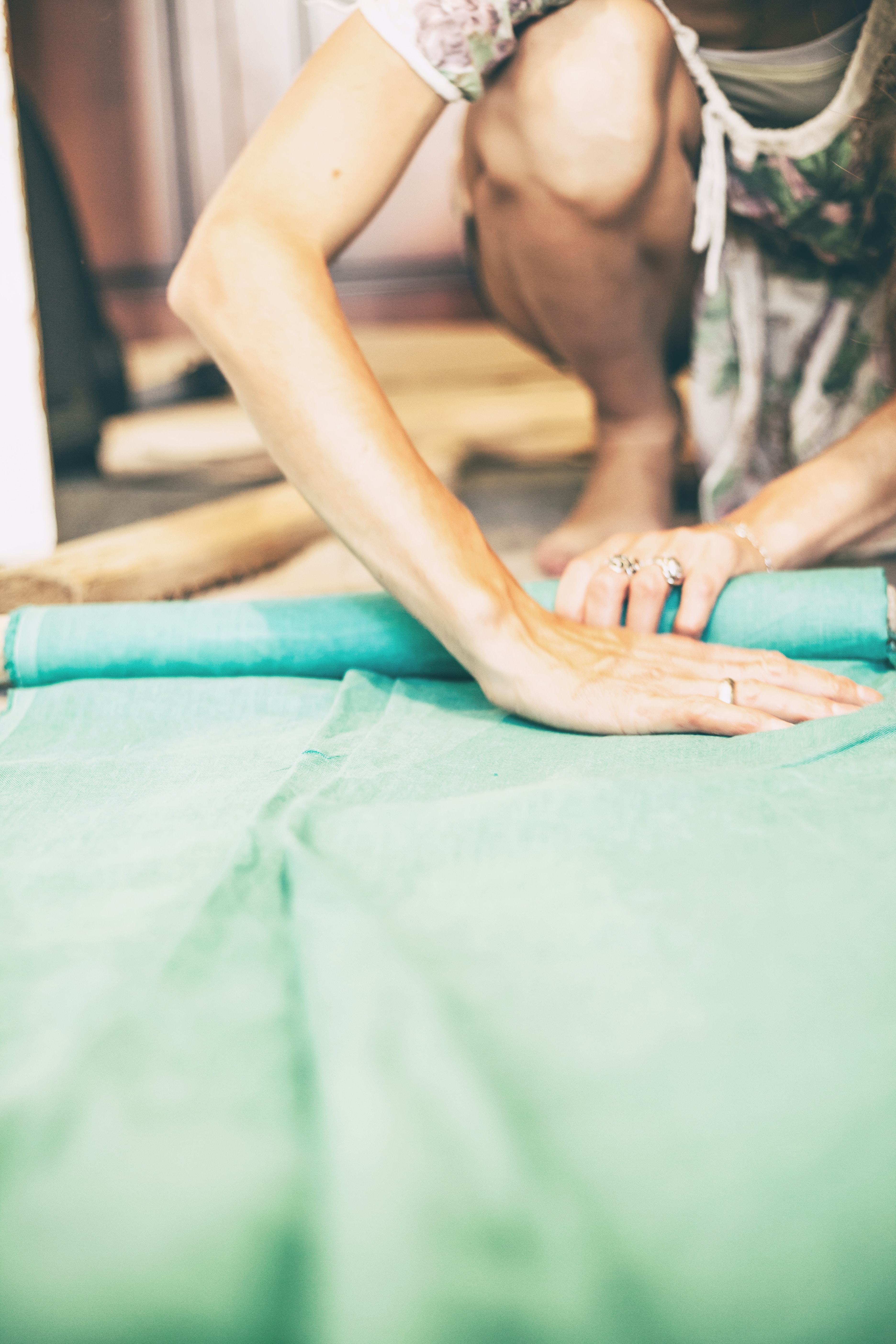
Linen - Made from flax, 5000 mHz
- - Sleeping in linen helps a person fall asleep faster and deeper
- - Improves mood
- - Rapid healing from surgeries, which is why hospitals have used linen sheets
- - Resistant to fungus and bacteria
- - Barrier to some diseases
- - Regulates body temperature - warm when cold, cools when warm
Cotton - healthier but not a super fabric
Organic cotton: 70 to 110 mHz
Non-organic cotton, bleached and/or dyed: 40 to 70 mHz
Wool - 5000 mHz
Something very interesting: Wool's energy flows from left to right, whereas the frequency of linen flows right to left. Mixing these two together will cancel out the healing effects to zero.
Hemp
"Plant a lot of hemp in the land of Fukushima. Hemp's vibration has the potentiality to purify the contaminated environment made by radiation. It grows fast and uses very little water. The soil it grows in doesn't require rotating for many years." - Dr. Masaru Emoto
- - Has an extremely high vibration
- - Is at least 4x stronger than cotton
- - Breathes better than any synthetic
- - Naturally resistant to mold, mildew, and UV light